 ArabianCoins Network
Coins of Hejazcoins of the Hashemite Kingdom of Hejaz, 1916–1925
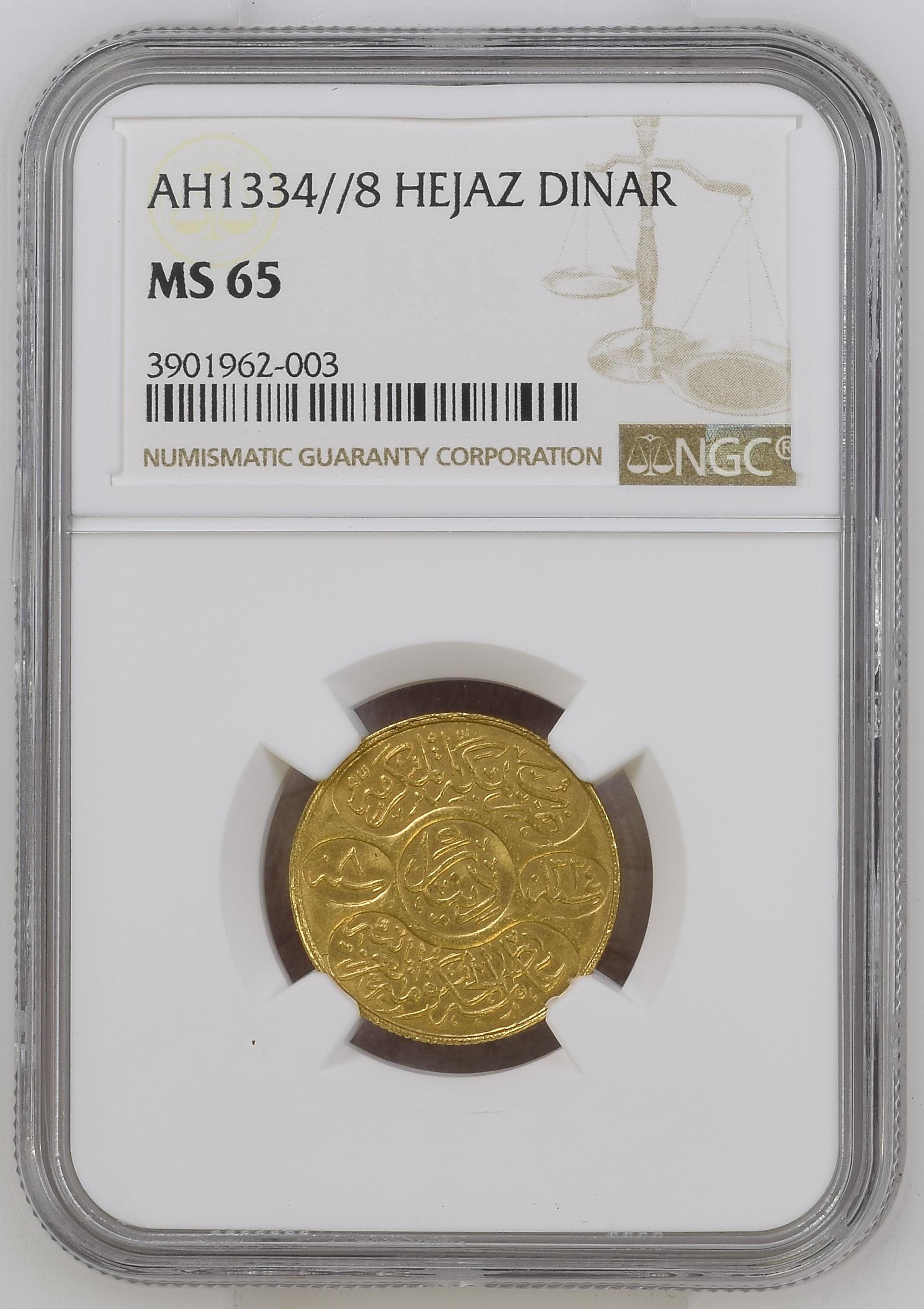
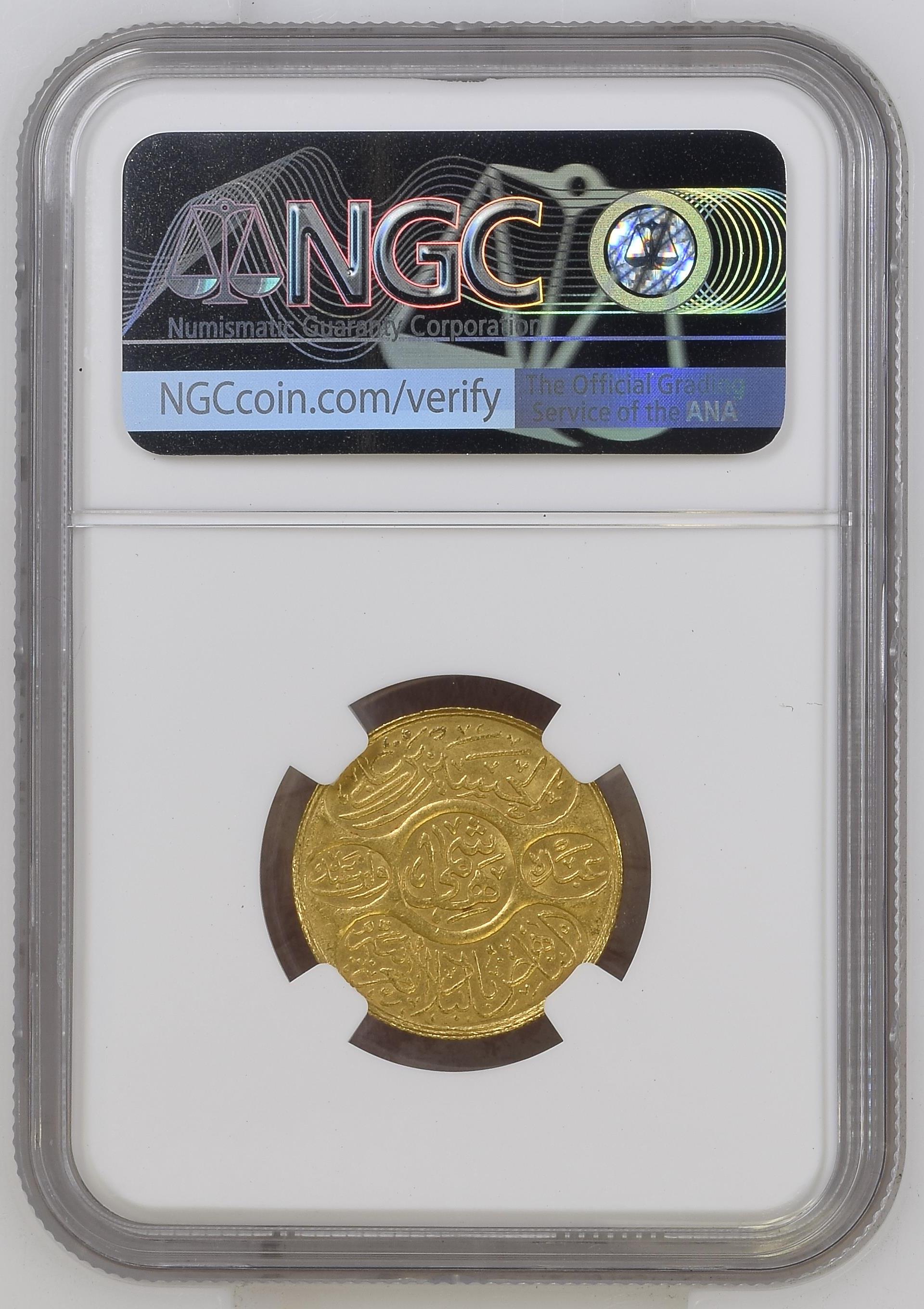
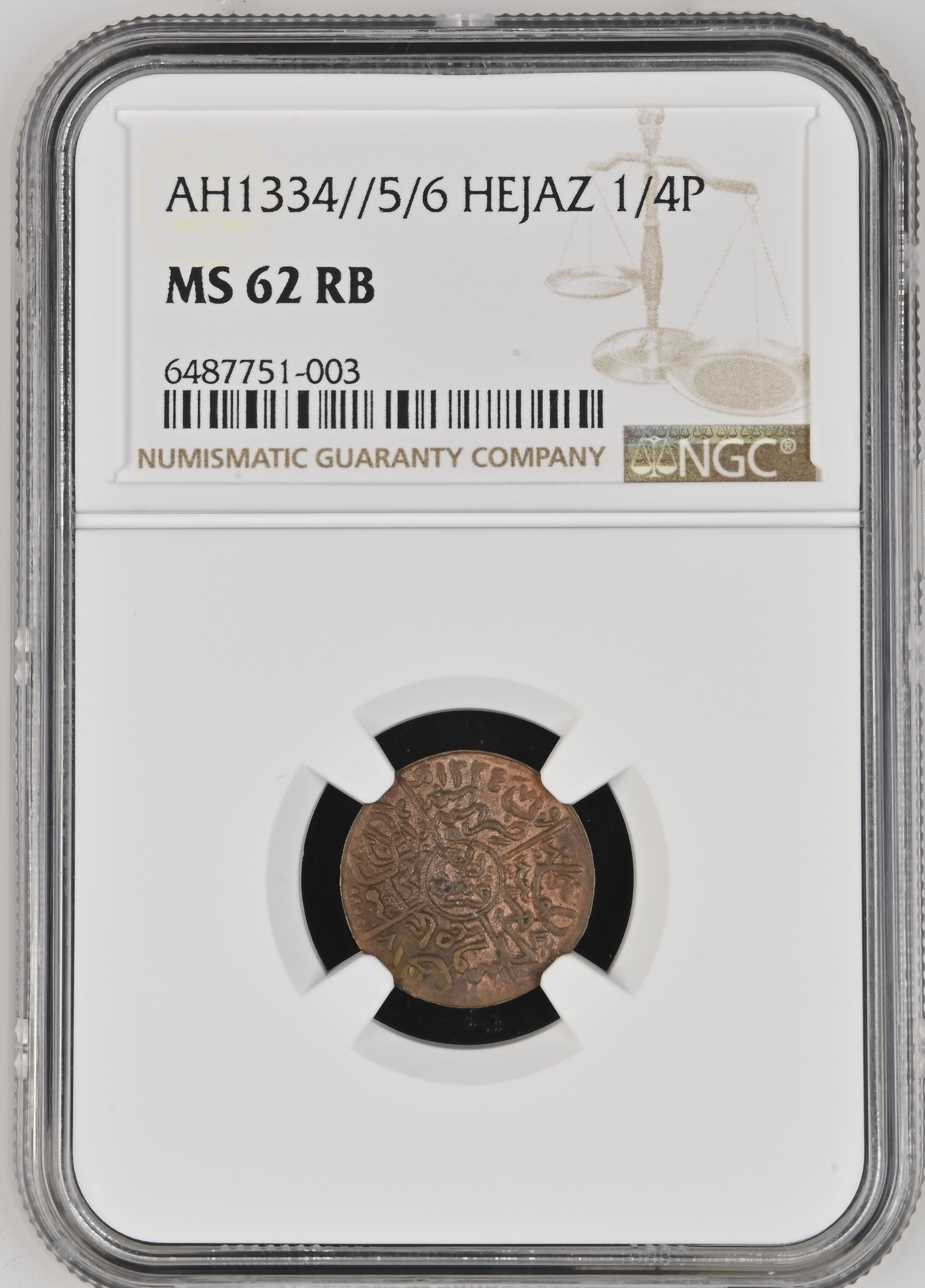
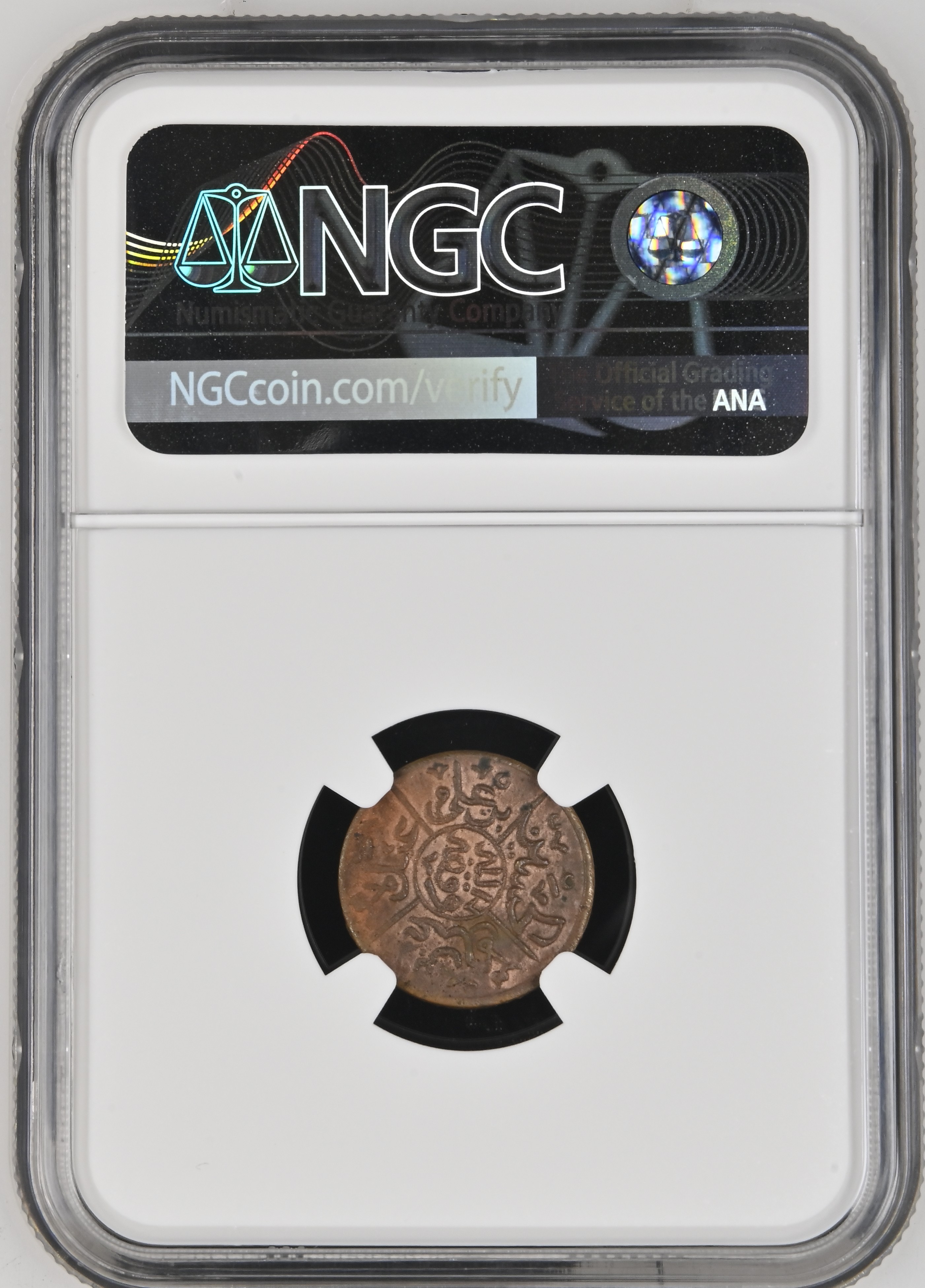
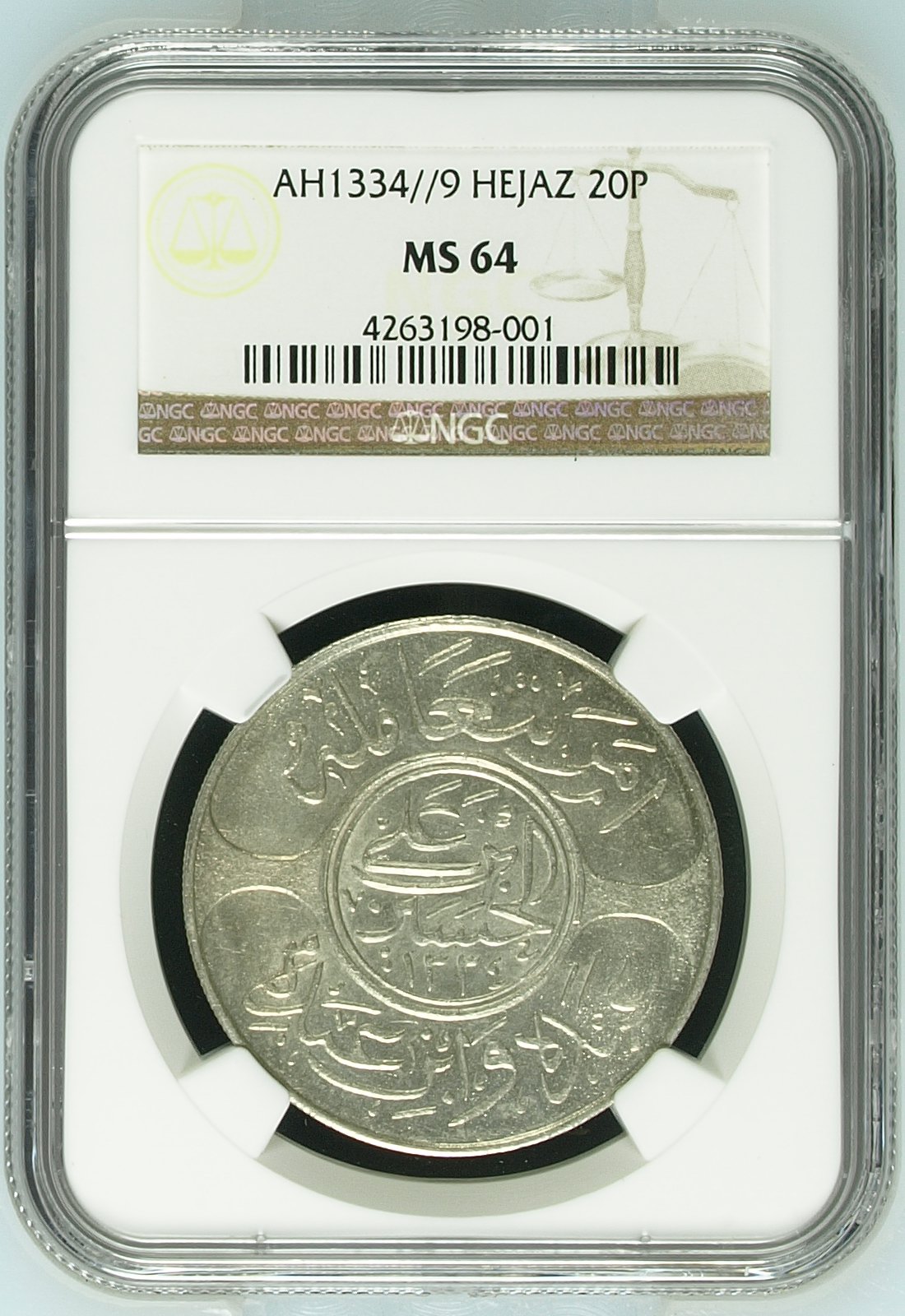
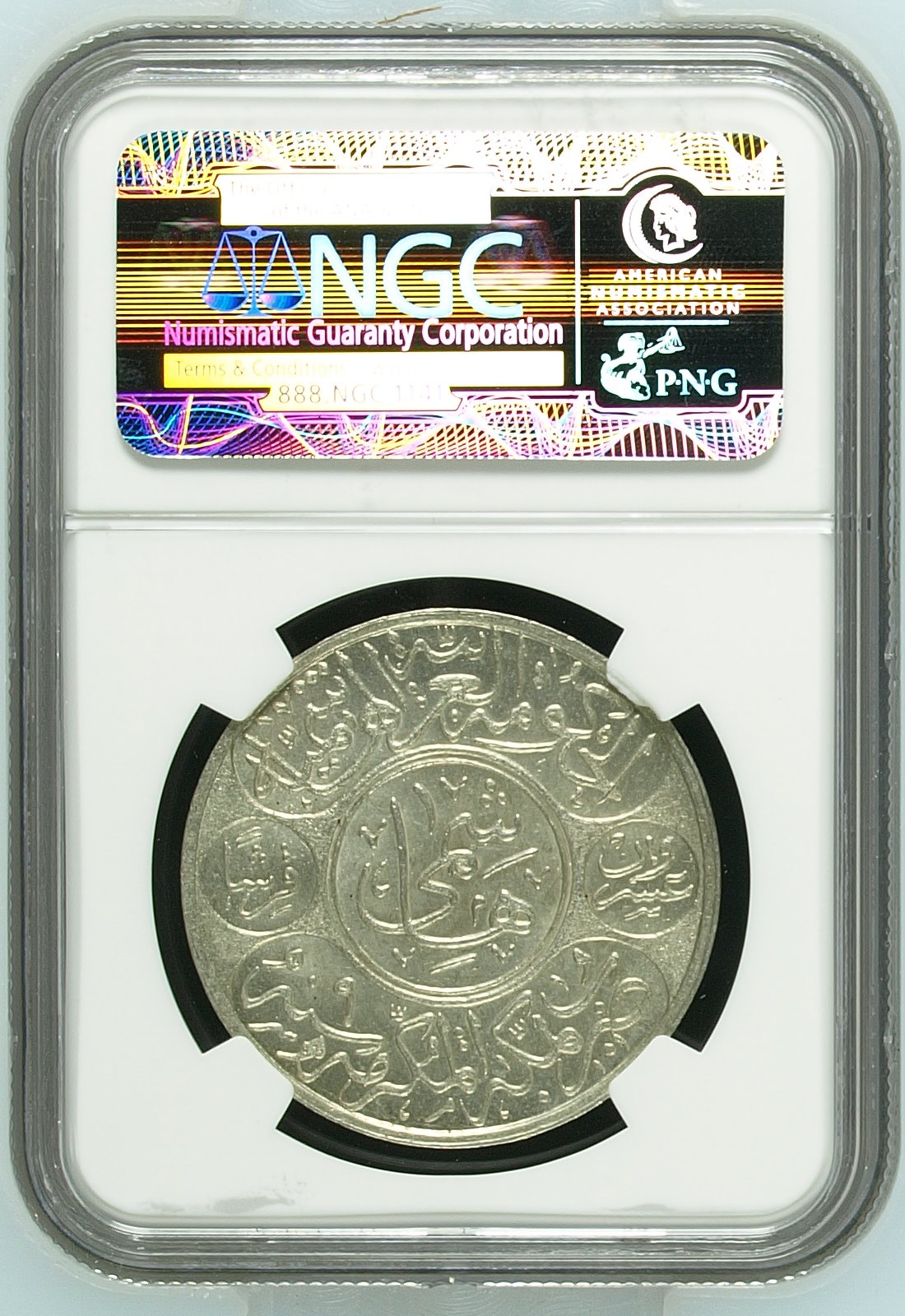
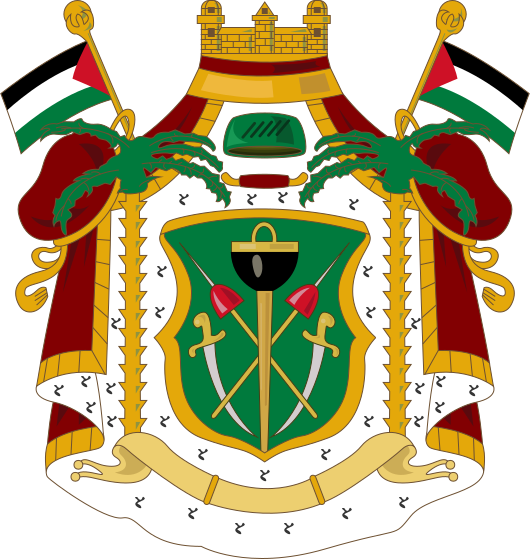
The Kingdom of Hejaz produced one of the 20th century's most compact and historically charged coinages. It began in 1918 with Ottoman nickel Para coins countermarked "Al-Hejaz" — the first monetary act of the new Arab state. From 1920 to 1924, a full series of bronze fractions and silver Qirsh denominations was struck in Mecca, crowned by a gold Dinar that ranks among the rarest modern gold coins in existence.
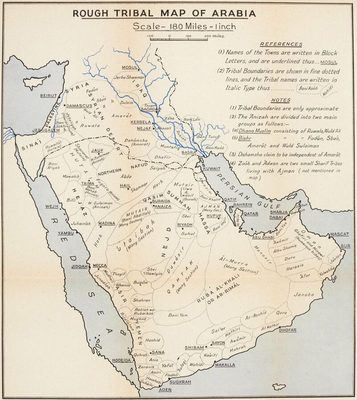
The series ends abruptly in late 1924 when Ibn Saud's forces captured Mecca, dissolving the Hashemite kingdom and closing a numismatic chapter that spans barely six years yet tells the entire story of the Arab Revolt's brief triumph.
Countermarked Para 1918Regular Coinage 1920–24Patterns & Fantasies